Author: AlaskaCalmGS

  • The Sound of Silence: What Alaska Teaches About Mental Clarity

    The Sound of Silence: What Alaska Teaches About Mental Clarity

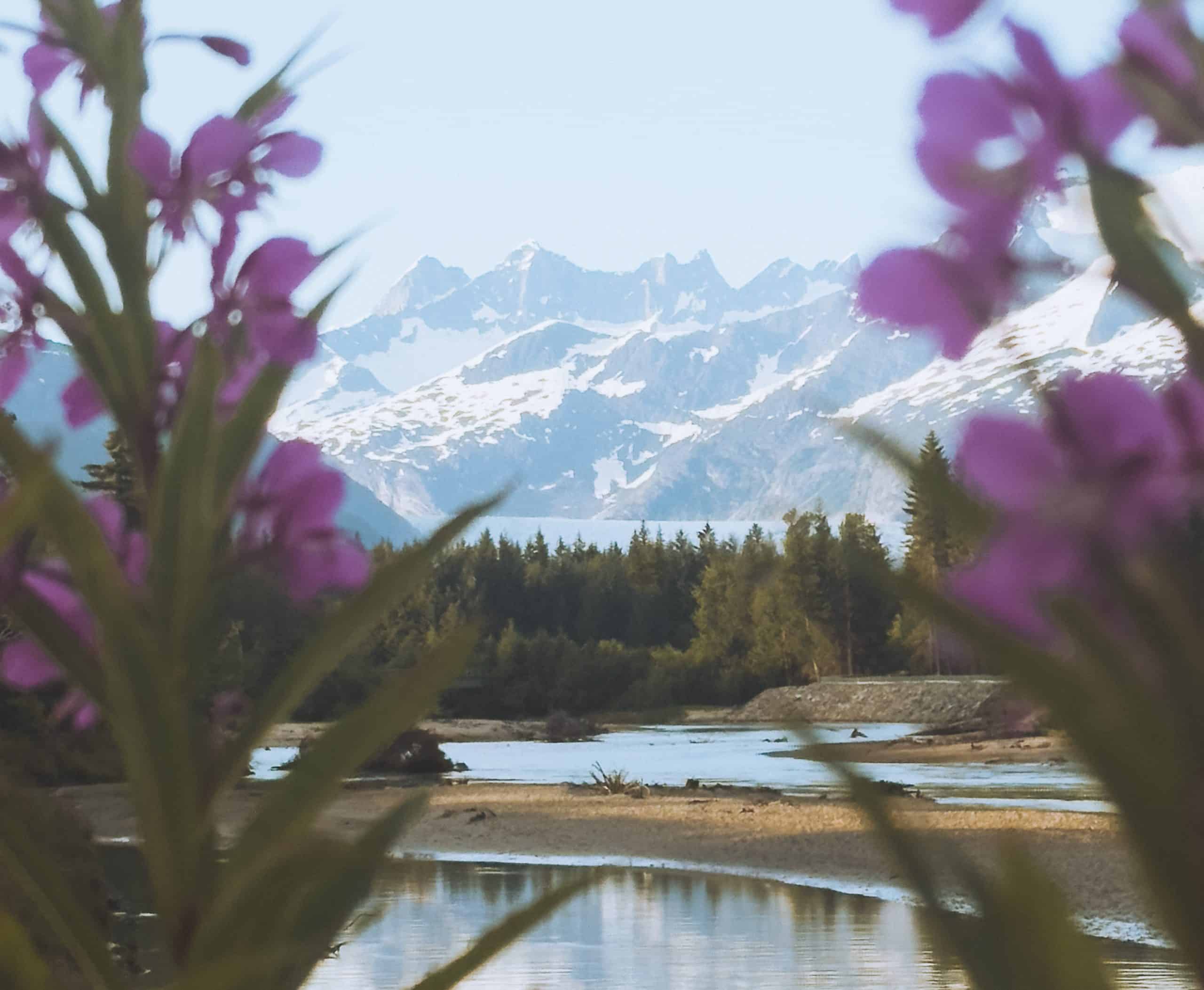
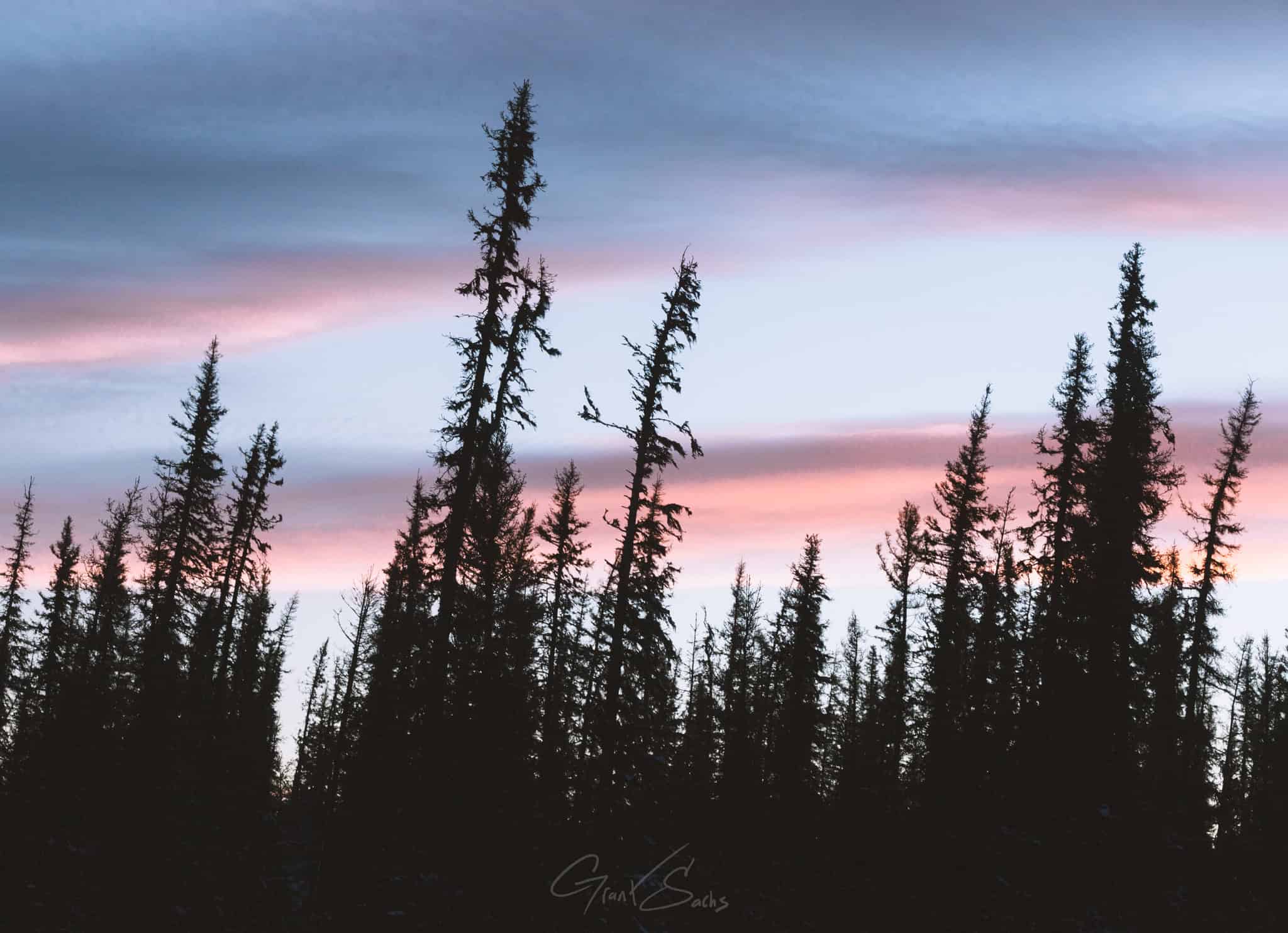
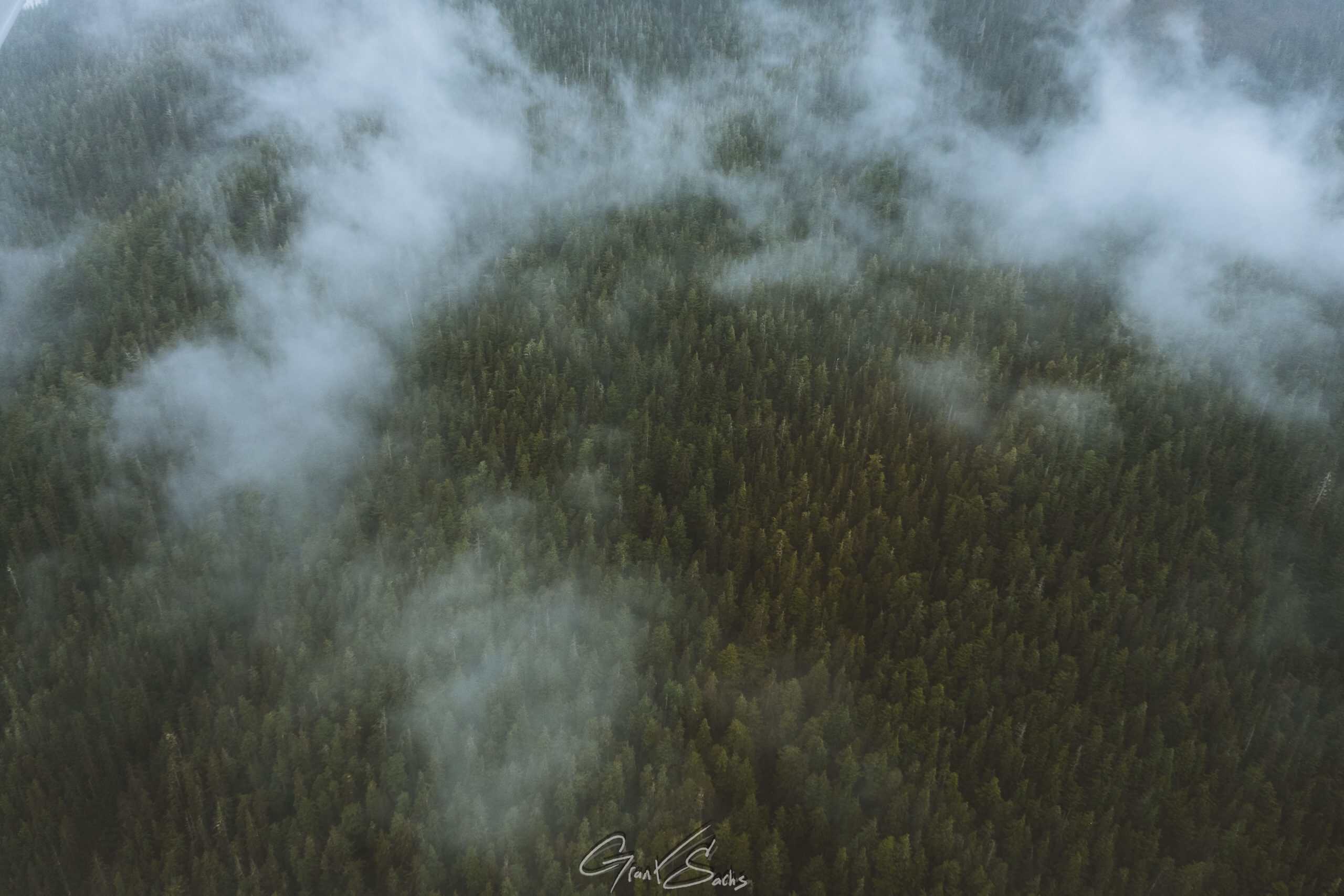
    In the Alaska boreal forest, a very particular phenomenon called evapotranspiration is created. And it is exactly what this photo is showing you. A very calm scenario caused by the evaporation of water, mainly snow, on the warm summer ground. The first time I was able to see this I experience the real silence. And it not a pleasant experience, not because I was uncomfortable, but because the sound of the silence was loud in its own way. My mind, used to filling gaps with background noise, kept generating its own static to compensate the empty space, without realizing it was the perfect moment to be completely aware.

    Noise Is a Habit, Not Just an Environment

    Most of us live surrounded by low-grade noise almost constantly — notifications, traffic, music, podcasts filling every commute and chore. It’s easy to assume that’s just how a mind naturally operates. Specially after leaving for quite a while on a cruise ship, where there’s not a single second without the least amount of noise. Very overwhelming and stressful. But, when I decided to move up hear I realized that spending real time in Alaska suggests absolutely otherwise. Give a mind several days without that constant input, and it behaves differently. Thoughts slow down. Fewer things feel urgent. There’s more room between one thought and the next.

    This isn’t mystical — it’s just what happens when you remove a habitual stimulus and let the underlying pattern show through. And the fact that we are normalizing this busy, overstimulated lifestyle, is actually concerning.

    What Changes After a Few Days

    On a short trip, the first day or two can actually feel harder mentally, not easier — a kind of noise withdrawal, where the mind reaches for stimulation that isn’t there. By day three or four, something shifts. Attention gets longer. It becomes possible to sit and watch a ridge line or a river for an hour without needing anything to happen. Problems that felt urgent at home often shrink, not because they’re solved, but because the mental noise that inflated their urgency is gone.

    And that actually is normal. Our brain is not design to be overstimulated, but to be able to pause and enjoy the present moment with calm. Ancient civilizations got the gift of raw nature connection. So what is actually civilization?

    Bringing a Piece of It Home

    You don’t need a week in the backcountry to use this. A few smaller versions of the same idea:

    • Take a walk with no audio at all — no music, no podcast, no calls. Just the ambient sound of wherever you are.
    • Sit near a window with a view of the mountains, uninterrupted, for ten minutes before starting the day.
    • Build in one genuinely quiet block of time daily — no scrolling, no background noise, even if it’s short.
    • Notice the urge to fill silence, and let it pass instead of immediately reaching for a phone or a screen.
    • Picture your thoughts as a river, let them come and go with the same grace as the water of the river. Just look at them without pausing or putting your attention in any of them
    • Listen to your own body, pay atention to the signs your own wisdom is giving you and allow it to guide you.

    Silence as Information

    The Alaskan silence doesn’t just remove noise — it reveals how much of daily mental noise is optional. That’s arguably the most useful thing Alaska’s wilderness offers beyond the obvious scenery: not an escape from ordinary life, but a clearer picture of which parts of that noise were ever necessary in the first place.

    You don’t have to live in silence to benefit from visiting it occasionally. Sometimes clarity is just a matter of finding out what your mind sounds like when nothing else is competing for the space.

    From Alaska with Love, GS.


    Take the calm of the Last Frontier beyond the page:

    Follow the journey on Instagram →

    @grantsachs

    Relax with rough nature sound videos on YouTube →

    AK Calm – The Last Frontier

    More posts like this at →

    akcalmthelastfrontier.com

    Shop prints & postcards of Alaska →
    Grant Sachs Photography

  • 5 Simple Ways to Practice Mindfulness During an Alaska Summer

    5 Simple Ways to Practice Mindfulness During an Alaska Summer

    Moving up here showed me that Alaska summer is the head of the coin when winter is the tail. Instead of too little daylight, there’s almost too much — nineteen, twenty hours of it, sometimes more depending on where you are. It’s a gift and it comes with its own kind of chaos. Everyone tries to cram a year’s worth of outdoor plans, projects, and social commitments into a few short months, and the constant light makes it easy to lose track of when to actually stop. Your body naturally is more energized and awake. But I discovered a way to outgrow the intensity with mindfulness during summer.

    Here are five small, realistic ways to stay grounded when the season is pulling you in every direction at once.

    1. Give Yourself an Artificial Bedtime

    With neuroscience logic we understand that when it’s bright at 11 p.m., your body doesn’t get the same cues it normally would to wind down, because it directly affects your circadian rhythm. Pick a stopping time and treat it like a rule, not a suggestion — blackout curtains, a set alarm to start winding down, stop screen time, whatever it takes. Mindfulness starts with actually sleeping, and sleeping good.

    It is actually funny, because although we have more day-light hours, meaning more time to do fun stuff, meaning more energy; everybody is tired during summer because nobody handles a proper sleeping schedule to recharge.

    2. Do One Thing at a Time, On Purpose

    Summer here tends to turn into constant multitasking — fishing while planning the next trip, hiking while thinking about work waiting at home. Pick one activity a week and commit to doing only that thing while you’re doing it. No mental to-do list. Just the task in front of you.

    Having our brains running at 110% is actually exhausting and not productive at all. It is the “Netflix effect”, having too many options is overwhelming and the same as not having any.

    3. Notice the Season Instead of Just Using It

    It’s easy to treat the light as purely functional — more hours to get things done. Try pausing at least once a day to actually notice it: the quality of light at 9 p.m., how long the shadows are, how different the world looks lit up at an hour that would normally be dark. Noticing rather than just using is the difference between rushing through it and actually experiencing it, adding mindfulness during the season, in this case, summer.

    4. Build in Deliberate Stillness

    With so much daylight pushing you toward constant activity, stillness has to be scheduled rather than assumed. Sit outside without a task for ten minutes. Watch the water, the mountains, the birds. It will feel unproductive. That’s fine — that’s the point. Our brain gets inspired when it meets boredom. Being mindful about the sensations around an activity actually heals your nervous system and body. You can start by taking three deep breaths before eating, which is clinically proven that allows your digestive system to absorb better and faster the nutrients in the food.

    5. Let Yourself Miss Things

    Summer FOMO is real here — there’s always another trip, another event, another window of good weather that won’t last. Staying grounded is accepting you can’t do everything the season offers, and that missing some of it doesn’t mean you failed at summer. Choosing rest over one more activity is still a valid way to spend the daylight. Lets mindfully choose JOMO, which is just being completely present in what you are living in that precise moment. The biggest gift is the present.

    The Bigger Picture

    None of this requires a retreat, an app, or a formal practice. It’s mostly about resisting the pressure this particular season creates — the sense that endless light means endless obligation. The light will still be there tomorrow. You don’t have to use every hour of it to have had a good summer.

    From Alaska with Love, GS.


    Take the calm of the Last Frontier beyond the page:

    Follow the journey on Instagram →

    @grantsachs

    Relax with rough nature sound videos on YouTube →

    AK Calm – The Last Frontier

    More posts like this at →

    akcalmthelastfrontier.com

    Shop prints & postcards of Alaska →

    Grant Sachs Photography

  • Alaska Guide to Quiet Places to Reconnect: through New Eyes

    Alaska Guide to Quiet Places to Reconnect: through New Eyes

    Alaska has no shortage of famous, photographed, bucket-list destinations — and they’re worth seeing. But some of the best places for actually slowing down aren’t the ones that show up on postcards. The real quiet places to reconnect are smaller, closer, and easy to overlook if you’re only chasing the big-name spots.

    Here are a few kinds of places worth seeking out when what you need isn’t a landmark, but a reset.

    Small Lakes Off the Main Road

    Alaska is covered in lakes that never make anyone’s top-ten list, and that’s exactly their value. No crowds, no permits, often no name you’d recognize. Pull off, find a spot on the bank, and just sit for twenty minutes. Bring a thermos. Watch the surface of the water instead of your phone. One of the biggest treasures in Alaska is the privilege of finding all sorts of textures created by nature, specially water. These places don’t need to be dramatic to do their job — the point isn’t the view, it’s the absence of noise around you which creates absence of noise within you.

    Early-Morning Waterfronts

    Whether it’s a harbor, a river mouth, or a stretch of coastline, water at sunrise has a different quality than the same spot at noon. Fewer people, softer light, and often wildlife activity you’d miss later in the day. If you can manage it, going before the rest of your plans start is worth the lost sleep and gives a wonderful and energizing beginning to your day.

    A couple of weeks ago I started my day going to yoga at 6.30 in the morning and afterwards taking an ocean dip with a friend. Long story short, the best day of my life.

    Forest Edges Near Town

    You don’t need a backcountry permit to reconnect. Plenty of towns here have forest edges, greenbelts, or short community trails within a ten-minute drive. These are useful precisely because they’re low-commitment — a 20-minute walk on a weekday evening at a quite places to allow your mind and body to reconnect, does more than you’d expect, and it’s realistic to actually do it regularly, unlike a full-day wilderness trip. Consistency and quality mater more than quantity.

    Overlooks Nobody Stops At

    Every Alaska highway has at least one pullout that everyone drives past because it’s not marked as a “scenic viewpoint.” Those unmarked overlooks are often just as good, if not better, because nobody else stops there. They are intimate, exclusive and private.

    Why This Matters

    Living in Alaska for a long time or just coming to visit for short time, can create this “just focus in the main things” effect. But both comes with a particular kind of intensity — extreme seasons, long dark stretches, and a landscape that can feel simultaneously beautiful and intimidating. Finding small, unremarkable, easily-repeatable places to reset is more sustainable than depending on big trips to feel okay. The goal isn’t a bucket list. It’s a short list of places close enough to actually use.

    Sometimes pivoting our attentions is worth it. If you have a favorite quiet spot that’s not on any map worth mentioning, that’s not a flaw — that’s exactly the kind of place this list is about.

    From Alaska with Love, GS.


    Take the calm of the Last Frontier beyond the page:

    Follow the journey on Instagram →

    @grantsachs

    Relax with rough nature sound videos on YouTube →

    AK Calm – The Last Frontier

    More posts like this at →

    akcalmthelastfrontier.com

    Shop prints & postcards of Alaska →

    Grant Sachs Photography

  • Winter in the Last Frontier: Embracing the Dark Months Connecting with the Femininity

    Winter in the Last Frontier: Embracing the Dark Months Connecting with the Femininity

    Being my first time spending year round in the northern hemisphere, I am able to notice every detail of each season. Now starting fall, there’s a moment where the daylight noticeably shortens and a familiar dread creeps in. It’s the call to embrace the raw winter of The Last Frontier. It’s not really about the cold — up here we have to get used to that. It’s the dark. Weeks where the sun barely clears the horizon before it’s gone again, and the whole day starts to feel like a narrow window you have to rush through.

    I have been told that the approach to Alaska winter was to survive it — grit through until spring, treat the dark months as an obstacle standing between me and the parts of the year I actually liked. That approach works, technically. It also makes five months of your life feel like waiting.

    Fighting the Season Doesn’t Work

    Wishing the season away doesn’t make it move faster, and it robs the winter of anything worth having. In Alaska, The Last Frontier, to embrace it’s winter, value its own texture — the particular blue quality of light at midday, the sound of snow underfoot, the stillness of a town in the hours before anyone else is awake. None of that is available to you if your only goal is to get through it.

    What Shifted Things

    The change wasn’t dramatic. It was mostly about adjusting expectations to match the season instead of fighting it.

    • Cycles are part of a normal healthy life. In summer, a good day might mean a full hike. In deep winter, it might mean getting outside for fifteen minutes at midday when the light is best. Both count. Especially as women we start to understand our bodies better when we understand how related they are to the cycles of nature.
    • Build a light-chasing habit. Whatever daylight exists, use it deliberately — a short walk, sitting by a window, anything that puts you in it rather than working through it indoors.
    • Let some things go dormant. Not every season needs to be equally productive. Winter can be a slower, quieter chapter without that being a failure. And it was meant to be like that, as we have the opportunity of going inwards and recovering ourselves from the inside.
    • Mark small transitions. Solstice, the first noticeably longer day, the first thaw — these small markers matter more here than they do somewhere with less dramatic seasons. Especially Ecuador, my home country, where there is no such thing as seasons, but the same weather throughout the year. And, if you want to experience a different weather you can just travel to the different region within the country.

    The hidden femininity behind the nature cycles

    There’s a tendency to treat winter dark as purely a mental health hazard to manage — light therapy, vitamin D, all the standard advice, which is genuinely useful and worth doing. But it’s worth also treating this season as one with something to offer, not just something to endure. Quiet. Stillness. An excuse to slow down that summer never gives us.

    Our feminine bodies mirror Mother Nature this way. Especially here, in the Last Frontier, where every season asks us to lean in rather than resist it. Our femininity moves with the rhythm of the moon — cycling through phases roughly twelve times a year, echoing the seasons themselves: winter as our menstrual phase, spring as follicular, summer as ovulation, fall as luteal.

    Each phase carries its own sensations, moods, energy, and wisdom. When we pay close attention, we start to hear our intuition more clearly — learning exactly what our body is asking for in that moment.

    Several books explore these feminine archetypes and how they map onto each phase, teaching us to move through them with more ease by reconnecting with older, quieter forms of knowing. It comes back to a simple truth: the womb itself is dark, moist, and still.

    So let’s welcome the slower, quieter, darker months ahead — the womb of the year. Let’s embrace winter in the Last Frontier.

    Lets enjoy the upcoming slower, quieter and darker months. The womb of the year. Embrace the winter of The Last Frontier.

    From Alaska with Love, GS.


    Take the calm of the Last Frontier beyond the page:

    Follow the journey on Instagram →

    @grantsachs

    Relax with raw nature sound videos on YouTube →

    AK Calm – The Last Frontier

    More posts like this at →

    akcalmthelastfrontier.com

    Shop prints & postcards of Alaska →

    Grant Sachs Photography

  • Finding Stillness on the Trail: Why Alaska’s Wilderness Teaches Us to Slow Down

    Finding Stillness on the Trail: Why Alaska’s Wilderness Teaches Us to Slow Down

    There’s a particular kind of stillness you only find a mile or two into the Alaska’s wilderness— past the parking lot chatter, past the first switchback, once the trees close in behind you and the only sound left is your own ExtraTuffs on the dirt. It’s not silence, exactly. There’s wind, birds, maybe a creek somewhere below. But it’s a quiet that asks something of you: slow down, or you’ll miss it. Because it forces you to be present, actually living each moment by being completely aware of your surroundings.

    I didn’t come to hiking looking for mindfulness. I came for the views. But somewhere along the way, the trail became the practice. We have to learn to walk.

    The Pace the Land Sets

    Alaska doesn’t reward rushing. The terrain is uneven, the weather changes fast, and the distances are deceptive — what looks like twenty minutes away is often two hours. Early on, I fought this. I’d check my watch, get frustrated at how slow the miles felt, and spend the whole hike thinking about the summit instead of the ground under my feet. I have always believed that hiking is the perfect metaphor for the journey of live, if you focus on every step you take, to be mindful and intentional, out of a sudden you already reached the summit.

    At some point that shifted. The stillness of the Alaska wilderness push you into mindfulness. I stopped hiking toward something and started hiking in something. The difference sounds small, but it changes everything about how the time passes. When you’re not racing the trail, you notice things: the way light moves through spruce needles, the smell of the ground after rain, how your breathing settles into rhythm with your steps, and how the nature is so alive and nurtures you.

    Mindfulness Without the Cushion

    Most guides to mindfulness start with sitting still. Alaska taught me a different entry point — moving mindfulness, where attention isn’t held through stillness but through active repetition. Walking becomes the anchor, finding stillness while exploring your own limits in Alaska’s wilderness. It is proven that walking heals your emotions, thoughts and nervous system; with its bouncing movement from side to side it works with your primal brain, where all the memories, good or bad, are stored. Each step is a small return to the present moment, over and over, for as long as the trail lasts. And afterwards it stays with you for the rest of the day, the week, or the life.

    This matters especially here, where a lot of us end up outside not for leisure but for sanity. Long winters, short daylight, a pace of life that can feel isolating — time on a trail, even a short one, does something that scrolling a phone at home never quite manages. The amount of endorphins your brain releases while in nature is never gonna be comparable with digital stimulation.

    A Few Ways to Bring This Into Your Own Hikes

    • Leave the earbuds at home, at least for one hike a month. The sound of the place is part of the point and also mandatory to not interrupt your brain for the healing process
    • Pick a slower trail than your fitness allows. Give yourself permission to not be working toward a personal best, but just to be.
    • Stop without a reason. Not for a photo, not for water — just stop and notice what’s around you for thirty seconds. Even closing your eyes for a deeper experience. Embrace the stillness of rough wilderness in Alaska.
    • Notice one new thing per hike. A plant, a track in the mud, the way a ridge changes shape depending on where you stand. Building the habit of noticing is most of the practice and the immersive goal.

    You don’t need a summit, a personal record, or perfect weather for a hike to matter. Some of the most grounding trail days I’ve had were short, gray, and unremarkable by any objective measure — except that I actually paid attention to them, I actually allow myself to be and I actually found stillness in Alaska’s wilderness.

    That’s the whole practice, really. Not conquering the trail. Just being on it. Just being with it.

    From Alaska with Love, GS.


    Take the calm of the Last Frontier beyond the page:
    Follow the journey on Instagram → @grantsachs
    Relax with rough nature sound videos on YouTube → AK Calm – The Last Frontier
    More posts like this at → akcalmthelastfrontier.com
    Shop prints & postcards of Alaska → Grant Sachs Photography