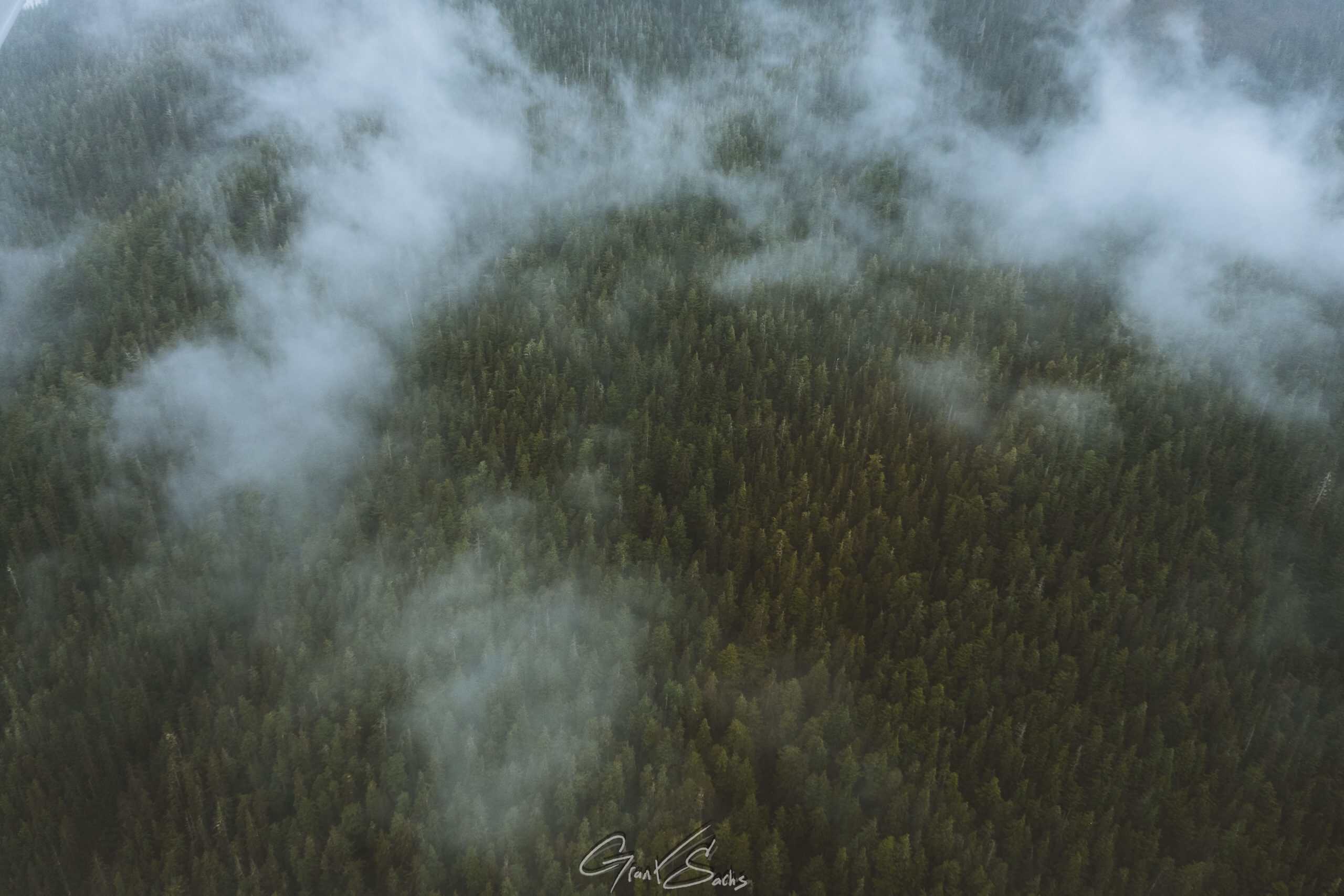
In the Alaska boreal forest, a very particular phenomenon called evapotranspiration is created. And it is exactly what this photo is showing you. A very calm scenario caused by the evaporation of water, mainly snow, on the warm summer ground. The first time I was able to see this I experience the real silence. And it not a pleasant experience, not because I was uncomfortable, but because the sound of the silence was loud in its own way. My mind, used to filling gaps with background noise, kept generating its own static to compensate the empty space, without realizing it was the perfect moment to be completely aware.
Noise Is a Habit, Not Just an Environment
Most of us live surrounded by low-grade noise almost constantly — notifications, traffic, music, podcasts filling every commute and chore. It’s easy to assume that’s just how a mind naturally operates. Specially after leaving for quite a while on a cruise ship, where there’s not a single second without the least amount of noise. Very overwhelming and stressful. But, when I decided to move up hear I realized that spending real time in Alaska suggests absolutely otherwise. Give a mind several days without that constant input, and it behaves differently. Thoughts slow down. Fewer things feel urgent. There’s more room between one thought and the next.
This isn’t mystical — it’s just what happens when you remove a habitual stimulus and let the underlying pattern show through. And the fact that we are normalizing this busy, overstimulated lifestyle, is actually concerning.
What Changes After a Few Days
On a short trip, the first day or two can actually feel harder mentally, not easier — a kind of noise withdrawal, where the mind reaches for stimulation that isn’t there. By day three or four, something shifts. Attention gets longer. It becomes possible to sit and watch a ridge line or a river for an hour without needing anything to happen. Problems that felt urgent at home often shrink, not because they’re solved, but because the mental noise that inflated their urgency is gone.
And that actually is normal. Our brain is not design to be overstimulated, but to be able to pause and enjoy the present moment with calm. Ancient civilizations got the gift of raw nature connection. So what is actually civilization?
Bringing a Piece of It Home
You don’t need a week in the backcountry to use this. A few smaller versions of the same idea:
- Take a walk with no audio at all — no music, no podcast, no calls. Just the ambient sound of wherever you are.
- Sit near a window with a view of the mountains, uninterrupted, for ten minutes before starting the day.
- Build in one genuinely quiet block of time daily — no scrolling, no background noise, even if it’s short.
- Notice the urge to fill silence, and let it pass instead of immediately reaching for a phone or a screen.
- Picture your thoughts as a river, let them come and go with the same grace as the water of the river. Just look at them without pausing or putting your attention in any of them
- Listen to your own body, pay atention to the signs your own wisdom is giving you and allow it to guide you.
Silence as Information
The Alaskan silence doesn’t just remove noise — it reveals how much of daily mental noise is optional. That’s arguably the most useful thing Alaska’s wilderness offers beyond the obvious scenery: not an escape from ordinary life, but a clearer picture of which parts of that noise were ever necessary in the first place.
You don’t have to live in silence to benefit from visiting it occasionally. Sometimes clarity is just a matter of finding out what your mind sounds like when nothing else is competing for the space.
From Alaska with Love, GS.
Take the calm of the Last Frontier beyond the page:
Follow the journey on Instagram →
Relax with rough nature sound videos on YouTube →
More posts like this at →
Shop prints & postcards of Alaska →
Leave a Reply